Turning Points

Herbert Boyer and Stanley Cohen 

Catalysts of GMO Technology

("DNA Double Helix," n.d.)


"The ability to clone DNA has opened up all kinds of opportunities. Much modern biotechnology has come from this capability."

~ Dr. Stanley Cohen, Geneticist and Biochemist (PNAS, Science Sessions Podcasts, 18 Dec. 2023)

Turning Points

Boyer and Cohen's discovery of recombinant DNA led to breakthroughs in agriculture and medicine and started a multibillion-dollar biotechnology industry.

Agriculture

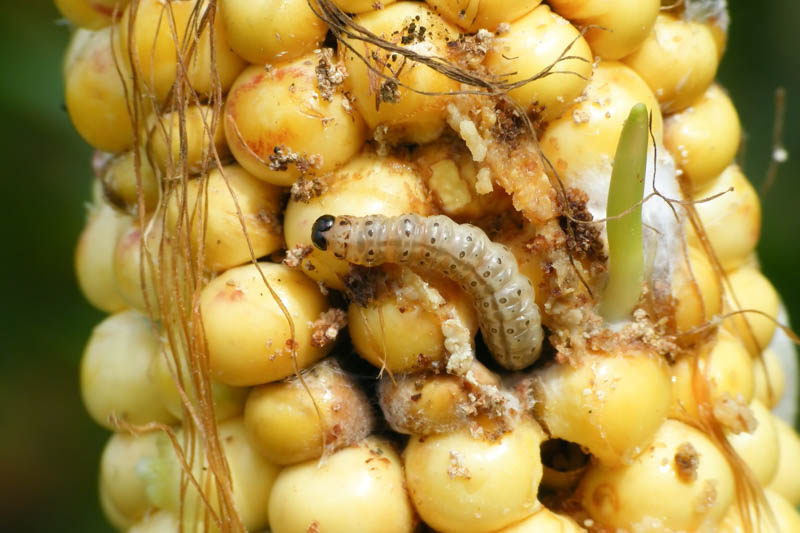
One benefit of GMOs is in agriculture. Farmers often worry about three things that could harm their crops: insects, weather, and weeds. GMO crops can repel certain insects. For example, the European corn borer laid its eggs on corn, which destroyed the crop, devastating yields. Scientists developed BT (Bacillus Thuringiensis) corn, using genetic modification. This trait saved the crops and is still used today. Some crops have been genetically modified to be herbicide-resistant, making weed control easier. This is all possible due to Boyer and Cohen's discovery (“Why Do We Use GMOs?”).

"In corn the immediate impact was insect-resistance - particularly to European corn borer and subsequently to other insects. GMOs did affect farmers positively in many cases and the companies, from a financial perspective."

~Dr. Kendall Lamkey, Corn Breeder and  ISU Professor (Lamkey, Email Interview, 19 Feb. 2024)

 "The main reasons in the United States why farmers grow GMO crops is for two specific traits, characteristics, and those are herbicide resistance and insect resistance."

​​​​​​​ ~ Dr. Peter Goldsbrough (“Why Do We Use GMOs?” Purdue University, 12 Sept. 2016)

European Corn Borer

 (“European Corn Borer,” Gardenia, n.d.)

A  2014 study showed that GMO crops have reduced pesticides used on crops by around 37%, increased crop yields by roughly 22%, and increased profit to farmers by around 68%. A later review discovered that GMO crops provided $133.4 billion in revenue between 1996 to 2013. All this was possible due to Boyer and Cohen's 1973 groundbreaking research in recombinant DNA (Entine).

"The long-term impacts include the improvement of higher yielding crops, and also the development of disease- and insect-resistant seeds. In the 50 plus years that I have worked, we took the corn yield from 100 bushels to 300, and soybean yield from the mid 30s to the mid 70s."

 ~ Gary Clem, Seed Research Equipment Developer (Clem, Email Interview, 8 April 2024)

In 2020, genetically-modified soybeans accounted for 94% of all soybeans planted in the United States, and 92% of corn planted in the U.S. was genetically modified (“GMO Crops, Animal Food, and Beyond”). 

"GMO seeds allowed for easier control of weeds and an increase in yields. We do a lot of no-till farming and are able to farm more acres with less fuel because of the control of weeds we get using GMO seeds."

~ Pat Hardy, Missouri Farmer (Hardy, Email Interview, 12 Apr. 2024)

"GMOs let us grow more food on less land."

(“3 Big Ways,” Croplife International, 2021)


Medicine

Another way that GMOs are beneficial is in medicine. Before GMOs, many medicines were extracted from animals or blood donors. These medications often had problems, transmitted diseases, and were not consistent in quality or supply. GMO medications do not carry the same risks. Boyer's work in the biotechnology industry helped make this possible (“Why Do We Use GMOs?”).

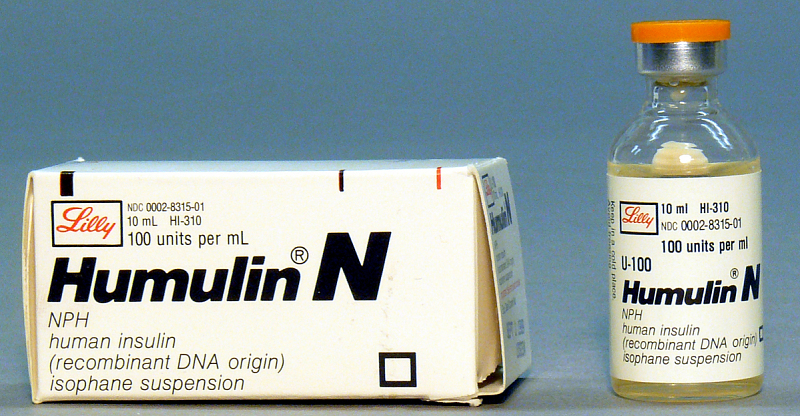
First FDA-Approved Biotech Product

(“Humulin N," Smithsonian Institution, n.d.)

"Developed by Genentech, the first American biotechnology company, Humulin was licensed to Eli Lilly and became the first marketable product created through recombinant DNA technology. Its licensing by the FDA in October 1982 also made it the first recombinant pharmaceutical approved for use in the United States" (“Humulin N”).

"Gene therapy is another area that’s benefited from this technology. In gene therapy, there’s an attempt to correct the effects that are caused by abnormal genes by introducing healthy genes. In order to have the healthy genes to introduce, it’s necessary to clone the DNA. Some of the approaches for vaccines have been dependent on this technology. The materials used for vaccination are the products of genes, and cloning the genes is a requirement in order to make their products, at least for some of the vaccines."

~ Dr. Stanley Cohen, Geneticist and Biochemist (PNAS, Science Sessions Podcasts, 18 Dec. 2023)
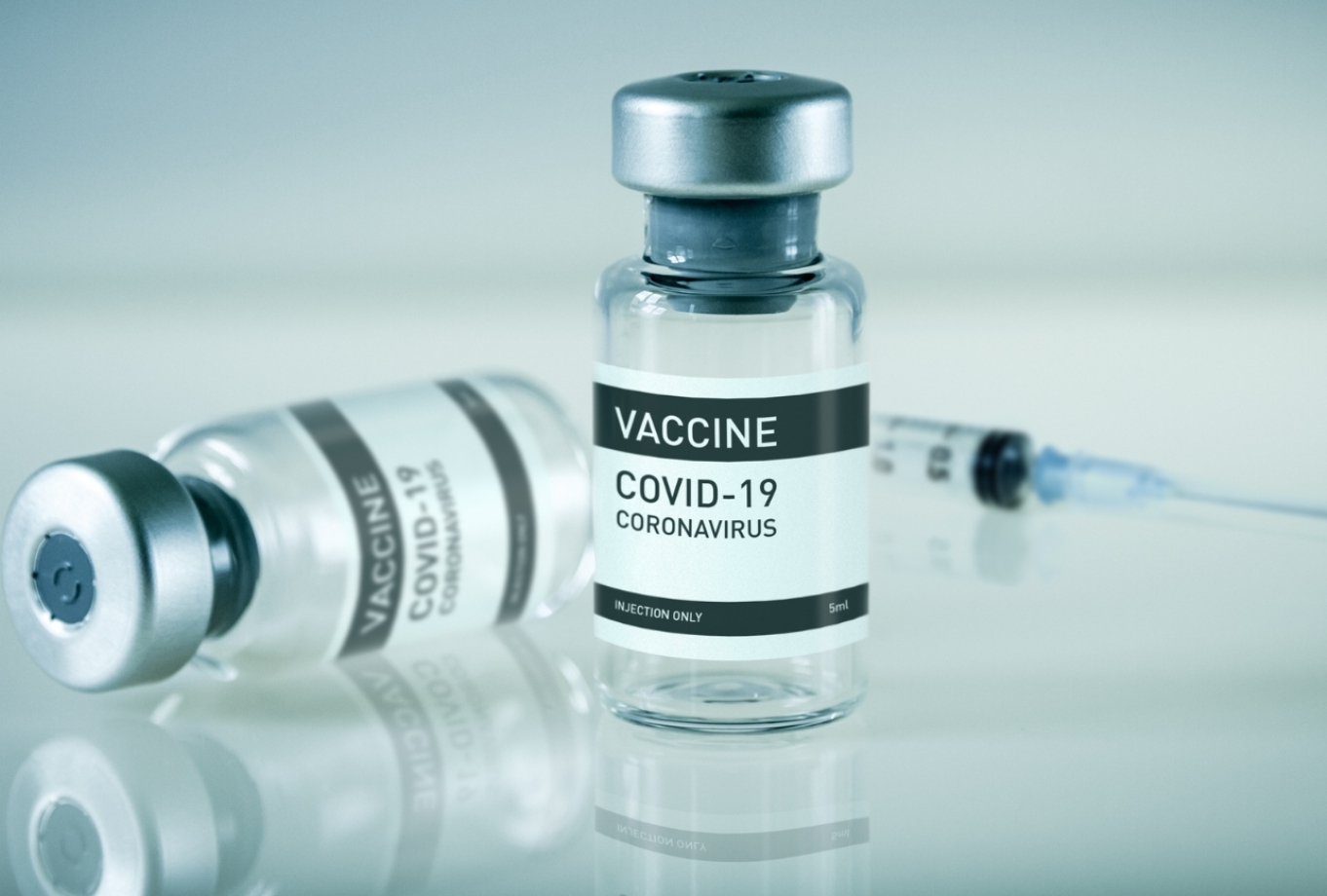
There are many pharmaceutical products that use recombinant DNA, including vaccines for Covid-19, influenza, papilloma virus and hepatitis B. Other products and processes include human growth hormones, CRISPR, and monoclonal antibodies (A Half Century).


Covid-19  Vaccine

(Rosen, Johns Hopkins, 14 Sept. 2023)

"The future [of genetic engineering] is bright and full of promise and who knows what the next big leap forward will be thanks to new discoveries coupled with human ingenuity. Genetic modification can help to address major challenges such as new treatments for human diseases and improving agricultural crops to be more nutritious and increased productivity with reduced inputs."​​​​​​​​​​​​​​

~ Dr. Steven Whitham, Iowa State University Professor and Plant Biologist (Whitham, Email Interview, 4 May 2024)